THE INVISIBLE ROUTE
The tap is an ending. The product is the route that made it possible.
At the terminal, radically different products collapse into the same gesture. A Visa or Mastercard is tapped, an amount is approved and a receipt appears. Nothing on that receipt says whether the money came from a custodial account, a self-custody wallet, a prefunded dollar balance or a loan against an onchain position.
The useful way to read a modern card is backwards. Begin with the payment, then ask which balance answered it, what rule made that balance available, how value reached the product and who controlled it before the authorization arrived.
Hold
Who controls the balance before payment?
Before money moves, control already has a shape.
Custody is not a badge attached to a product. It is the starting condition of every route: who can move the balance, which permissions exist and whether the card needs a separate account before it can work.
A Safe as the card account
Gnosis Pay leaves the spendable balance in a user-controlled Card Safe.
EURe, GBPe or USDCe waits on Gnosis Chain until an authorized payment calls the Safe's spending module. The module gives the card a bounded instruction; it does not turn the wider wallet into a provider-held preload.
Control with a co-signer
Bleap makes an MPC wallet behave like a consumer account.
A selected USDC or EURE balance remains in the user's wallet before payment. Routine actions combine a device-held signing share with Bleap's co-signing service, so self-custody and operational dependence coexist in the same design.
One interface, different boundaries
KAST and Jupiter show why the app screen is not the custody model.
KAST coordinates movement and spending around a custodial account balance. Jupiter Mobile begins with a self-custody wallet, but assets assigned to Jupiter Spend become a separate partner-managed USD balance. Visual proximity does not make those balances equivalent.
Move
Which routes can bring value in or send it out?
An account reveals itself through its entrances and exits.
The word transfer hides a collection of unlike events. A blockchain deposit, an own-name bank receipt, an internal username send and a local payout each have their own operator, currency, timing and cost.
The route book
KAST treats movement as the centre of the product.
Supported onchain funding, eligible bank receiving, KAST Tag transfers, external-wallet sends and available local payouts converge on one account. The breadth matters because each route keeps its own terms instead of borrowing one universal promise from the card.
A network becomes an account rail
Plasma One joins stablecoin movement to local money routes.
Crypto deposits, Plasma transfers, usernames, virtual bank accounts and fiat withdrawals give eligible accounts several ways to cross systems. Plasma lists a 0% fee for supported crypto deposits; wallet sends, conversions, bridges and bank routes retain their own disclosed or in-app fees.
Two self-custody exits
Gnosis Pay and Bleap connect bank rails without pretending they are symmetrical.
A personal Monerium IBAN can turn an eligible euro receipt into EURe before the user moves it into the Gnosis Card Safe; outbound bank movement uses a separate partner or manual process. For eligible Bleap accounts, EUR or MXN funding sits beside crypto routes, while cash-out to a user-owned bank account follows its own route.
The route as a market
Tria lets BestPath assemble the execution beneath a chosen outcome.
A card top-up begins with a wallet and token choice, while BestPath coordinates liquidity, transport, relaying and gas services behind the quote. The consumer sees one route; the execution layer can compare several ways of completing it.
Spend
Which balance responds at checkout, and when does it change form?
The same tap can trigger four different financial decisions.
The payment network only sees a card authorization. Upstream, the product may exercise wallet permission, debit a prepared balance, settle from a supported vault asset or create debt against collateral.
Permission at authorization
MetaMask Card prepares access rather than a preload.
The user chooses an eligible asset and gives the card a revocable per-token spending cap. Funds remain in the connected self-custody wallet until authorization, when the selected asset can be converted for settlement.
Conversion before checkout
Jupiter Card spends a prefunded USD balance.
Supported USDC or USDT is assigned to Jupiter Spend and becomes a partner-managed dollar balance before the card is used. The Visa payment debits that prepared account; it does not reach back into Jupiter Mobile's self-custody wallet at the terminal.
A payment or a borrowing event
ether.fi Cash and Solid let the source decision extend into credit.
ether.fi Direct Pay supports USDC and LiquidUSD, while Borrow Mode can use eligible Vault assets as collateral. Solid can convert soUSD toward card funding or borrow USDC against it; Solid's borrowing route adds variable borrowing cost and liquidation risk.
Keep active
What can the balance do between purchases?
Productive money is useful only when its boundary is clear.
Yield, rewards and collateral can make an account more capable. They can also create the easiest category mistake on the page: the presence of an Earn feature does not mean its balance is automatically available to the card.
A productive balance that can pay
LiquidUSD is the direct hinge inside ether.fi Cash.
LiquidUSD can remain in a variable-return strategy and still support Direct Pay. Other ether.fi vaults are not direct-spend balances; some eligible holdings may instead support Borrow Mode. One supported connection should not be generalized to the whole portfolio.
Savings, rewards and collateral
Solid gives soUSD several jobs without merging them.
Savings is a separate variable-return soUSD position. Funds can be converted to USDC before loading the card, or the soUSD position can remain in place as collateral for borrowed USDC. Those routes have different costs and risks.
Yield inside the spending balance
In Global, yield stays attached to card-ready USDG.
USDG held in the Global Pay balance can receive a variable return while remaining available to the card. EEA offers no equivalent yield feature, so this connection belongs to one regional programme and cannot be generalized across OKX Card.
The separate-pocket rule
An Earn tab beside a card is still a separate destination.
KAST Earn, Plasma Earn, Jupiter Lend and Bleap's optional YO Vault sit alongside spending rather than proving that the card can directly consume their positions. Each requires its own deposit or allocation, and any return remains variable and product-specific.
Ten products / Ten routes
A compact atlas of the products now in view.
Each row follows the same four questions. The answer changes because the card is only the public edge of a larger financial system.
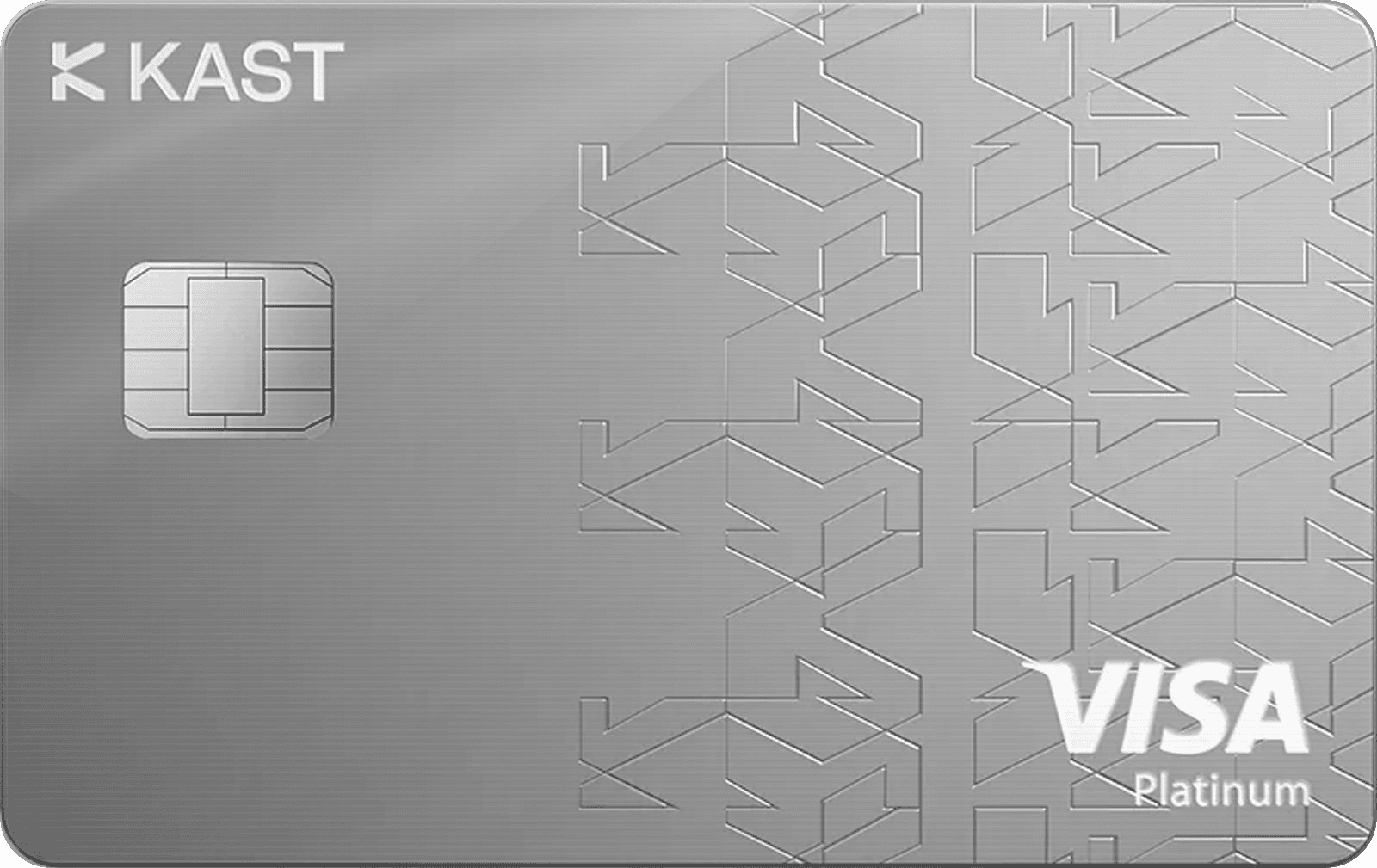 KASTChecked Aug 5, 2026
- HoldCustodial account balance
- MoveSupported bank, blockchain, peer and payout routes
- SpendVisa draws from the account balance
- Keep activeOptional Earn pockets remain separate
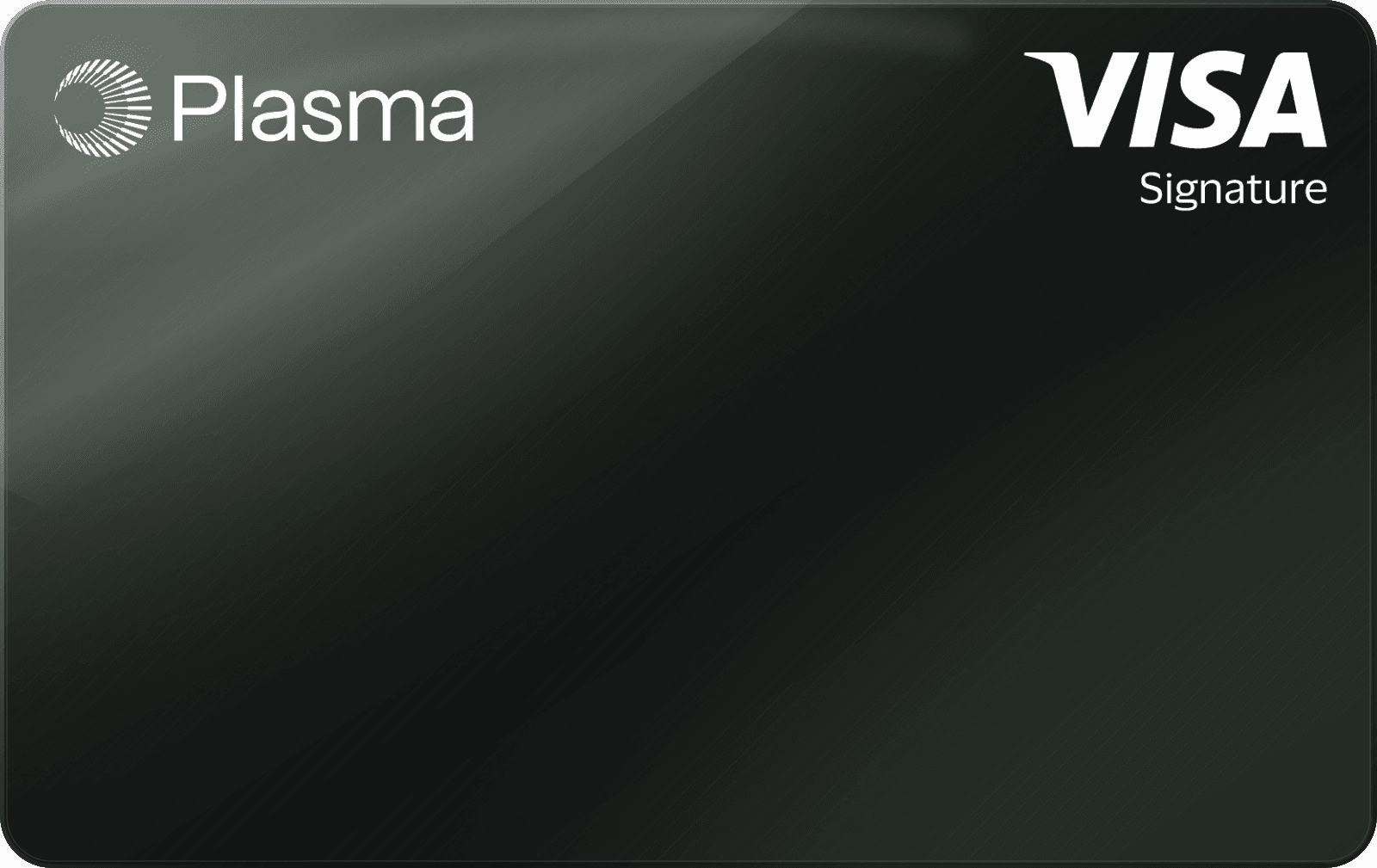 Plasma OneChecked Aug 5, 2026
- HoldSelf-custody before an authorized action
- MoveCrypto, Plasma, username and eligible local bank routes
- SpendA selected balance reaches Visa
- Keep activeEarn is a separate allocation
 ether.fi CashChecked Aug 5, 2026
- HoldNon-custodial Vault positions
- MoveCrypto, bank and product-specific routes
- SpendDirect Pay or collateral-backed borrowing
- Keep activeLiquidUSD can stay productive and pay
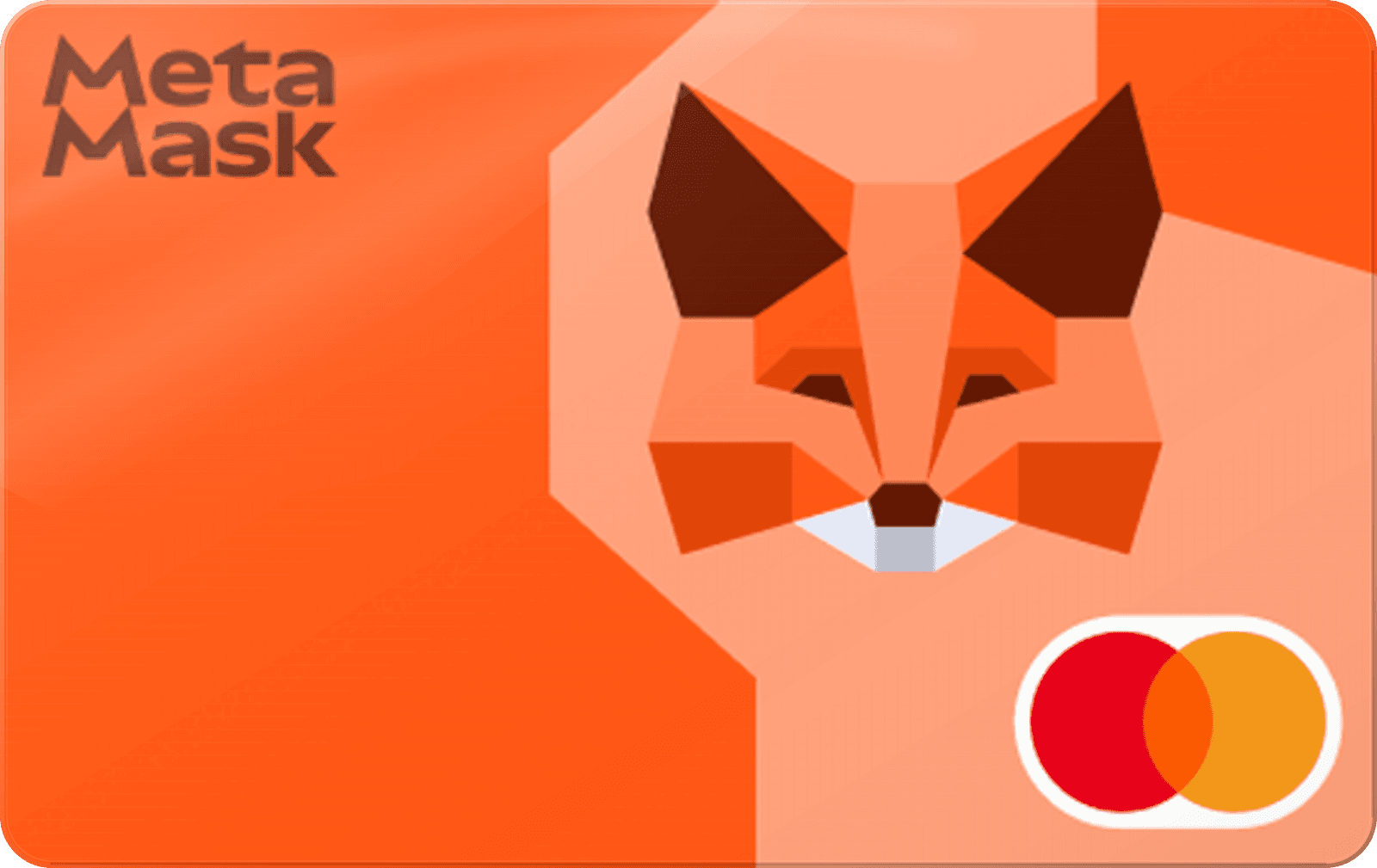 MetaMask CardChecked Aug 5, 2026
- HoldConnected self-custody wallet
- MoveWallet funding remains outside the card rail
- SpendA revocable asset cap is used at authorization
- Keep activeOnly supported productive balances connect
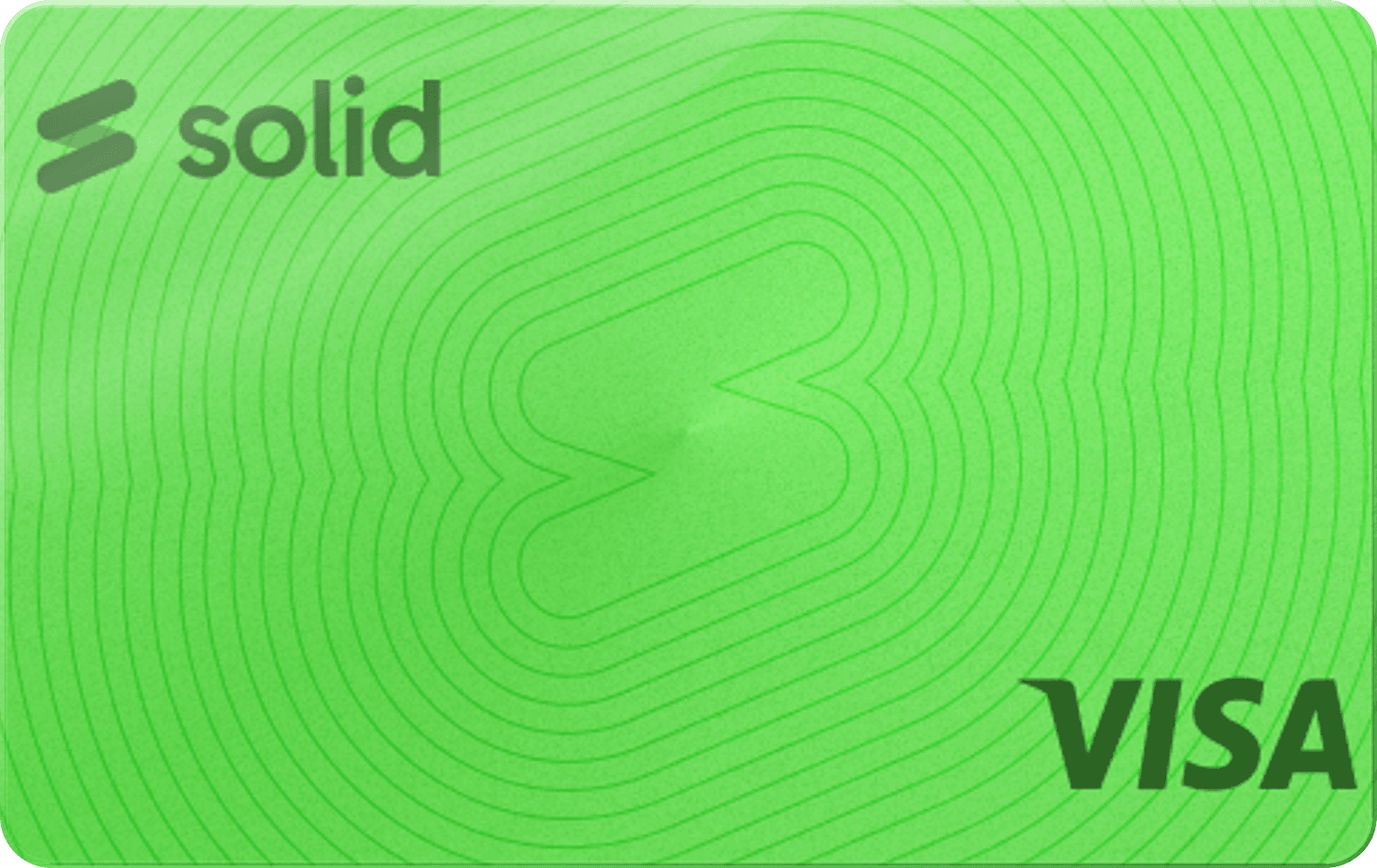 SolidChecked Aug 5, 2026
- HoldSelf-custody Wallet and separate Savings
- MoveCrypto routes and eligible USD receiving
- SpendCard balance or borrowing against soUSD
- Keep activeSavings can earn, be converted toward card funding, or support credit
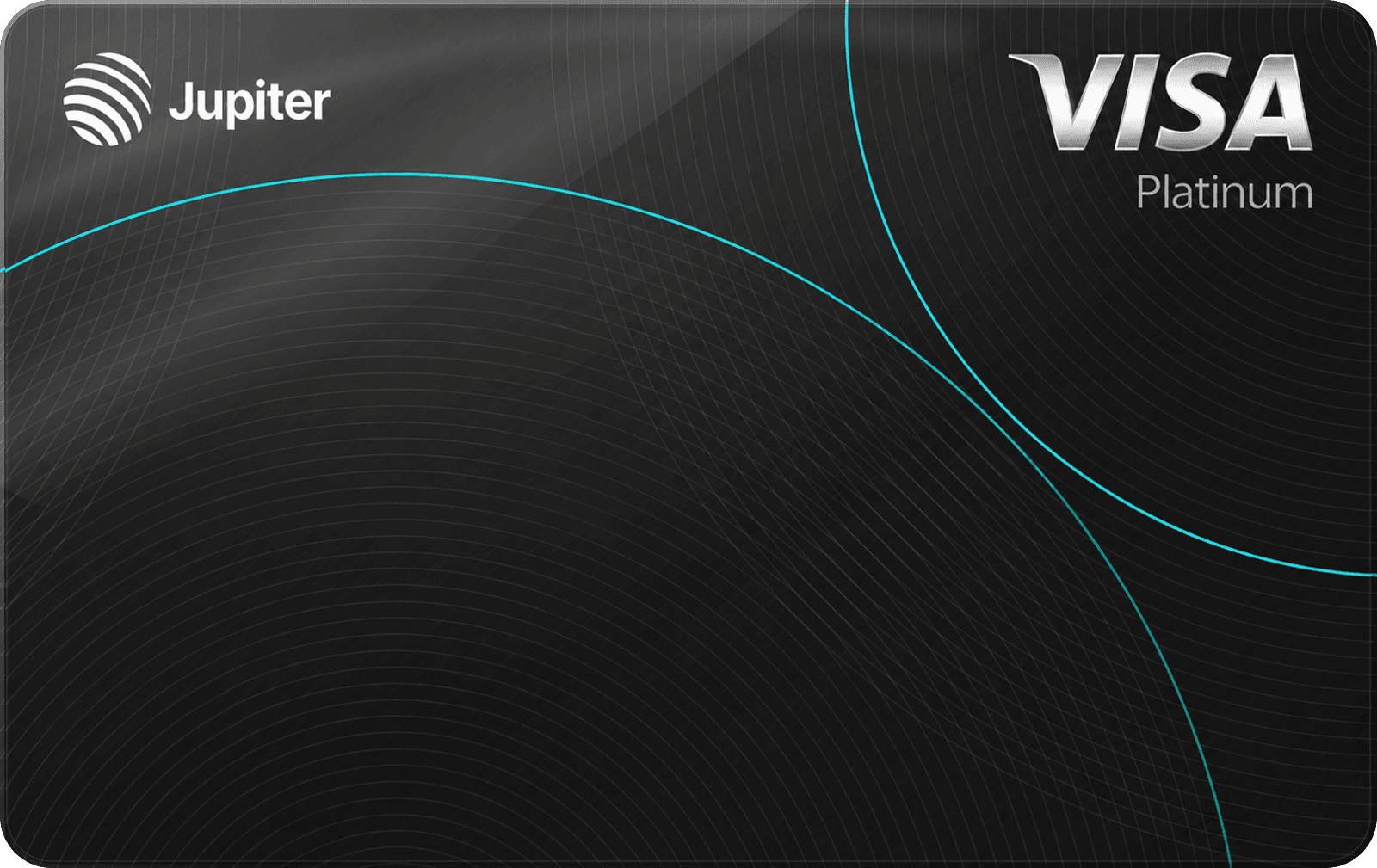 Jupiter CardChecked Aug 5, 2026
- HoldSelf-custody wallet plus managed Spend
- MoveSupported stablecoins are assigned to Spend
- SpendVisa debits prefunded USD
- Keep activeLend remains separate from the card balance
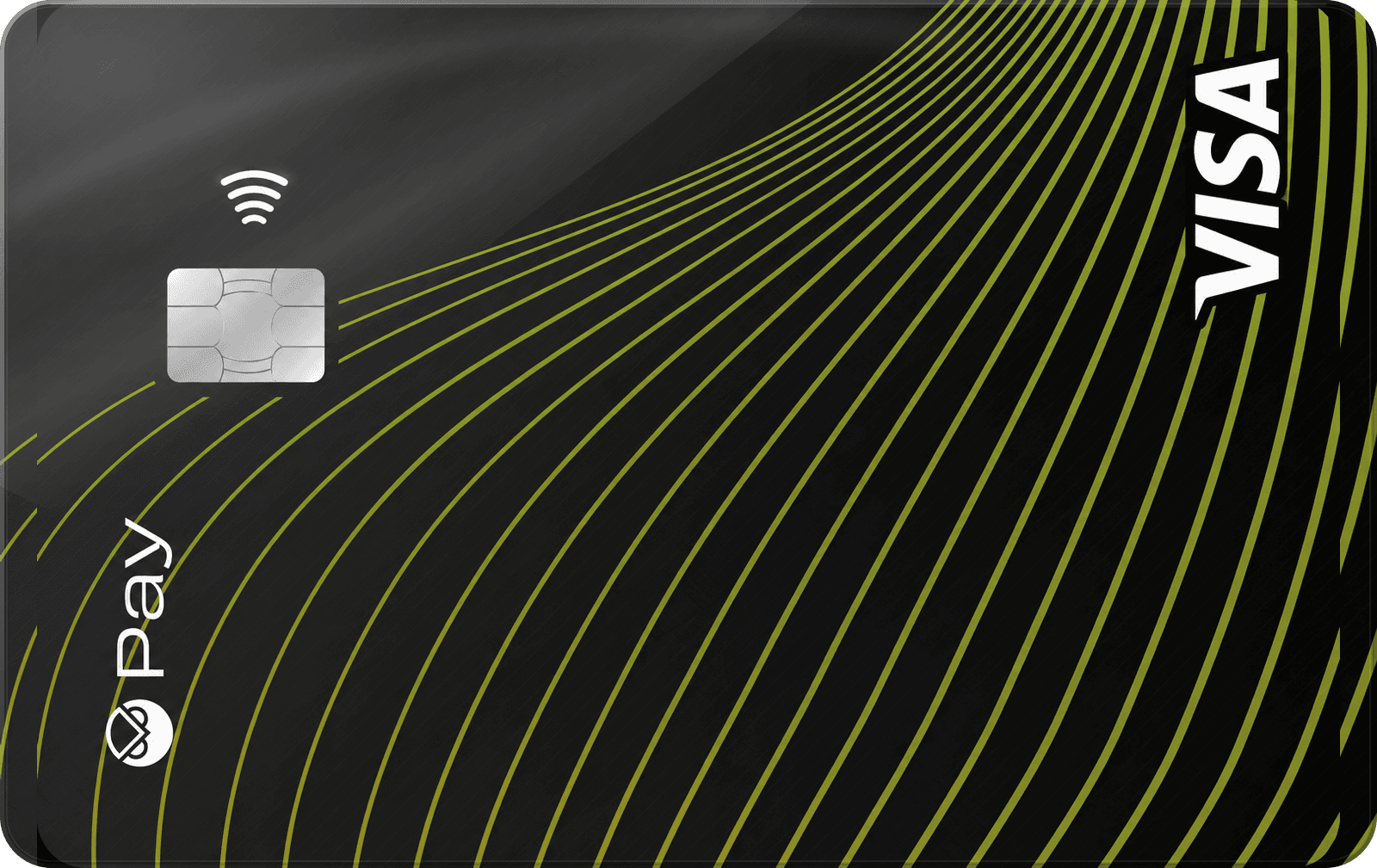 Gnosis PayChecked Aug 6, 2026
- HoldUser-controlled Gnosis Card Safe
- MoveGnosis Chain and a personal Monerium route
- SpendA Safe module reaches selected stablecoins
- Keep activeNo yield layer on the spendable balance
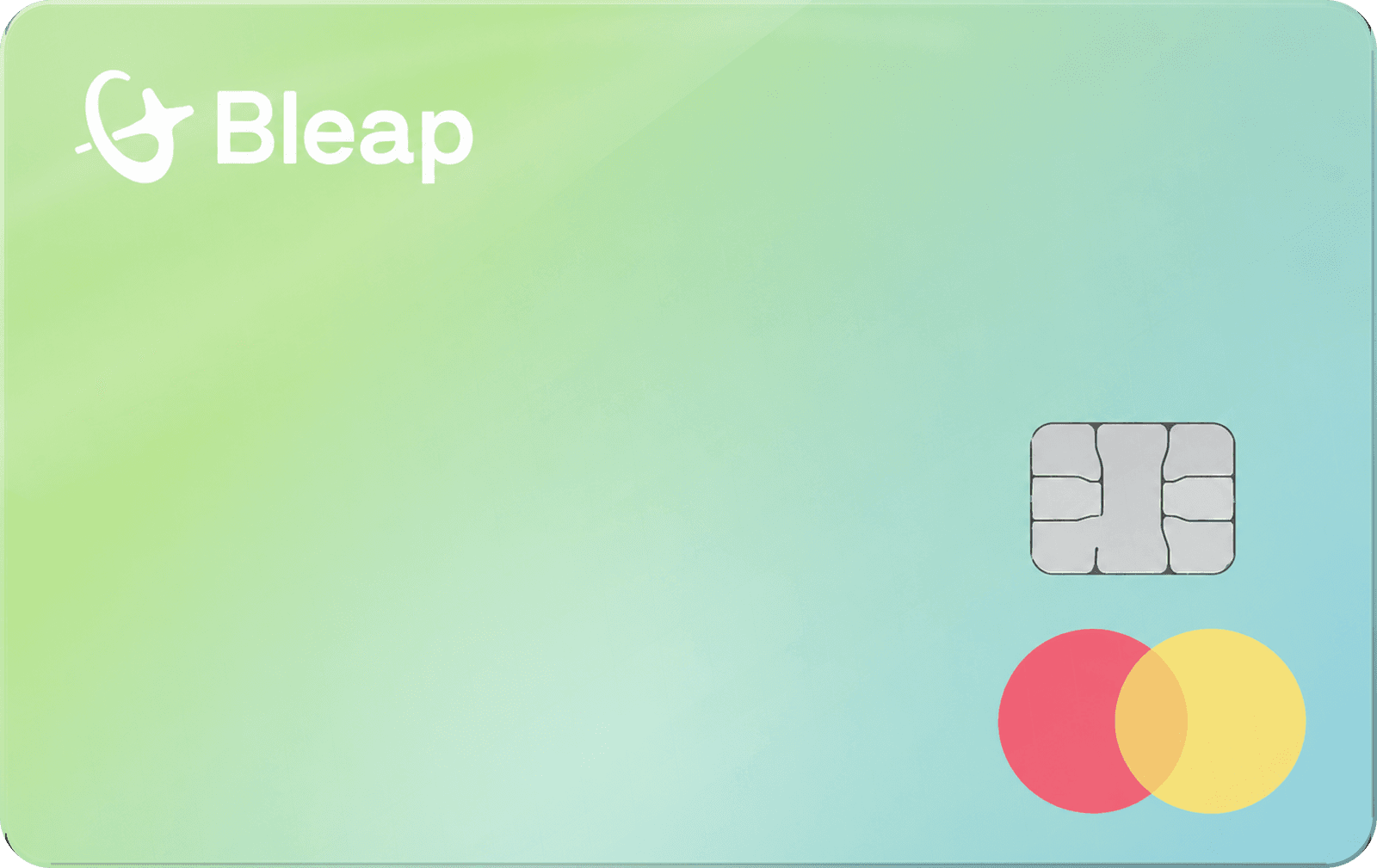 Bleap CardChecked Aug 5, 2026
- HoldUser-controlled MPC wallet with co-signing
- MoveEligible bank funding, cash-out and crypto routes
- SpendSelected USDC or EURE funds Mastercard
- Keep activeYO Vault is an optional separate deposit
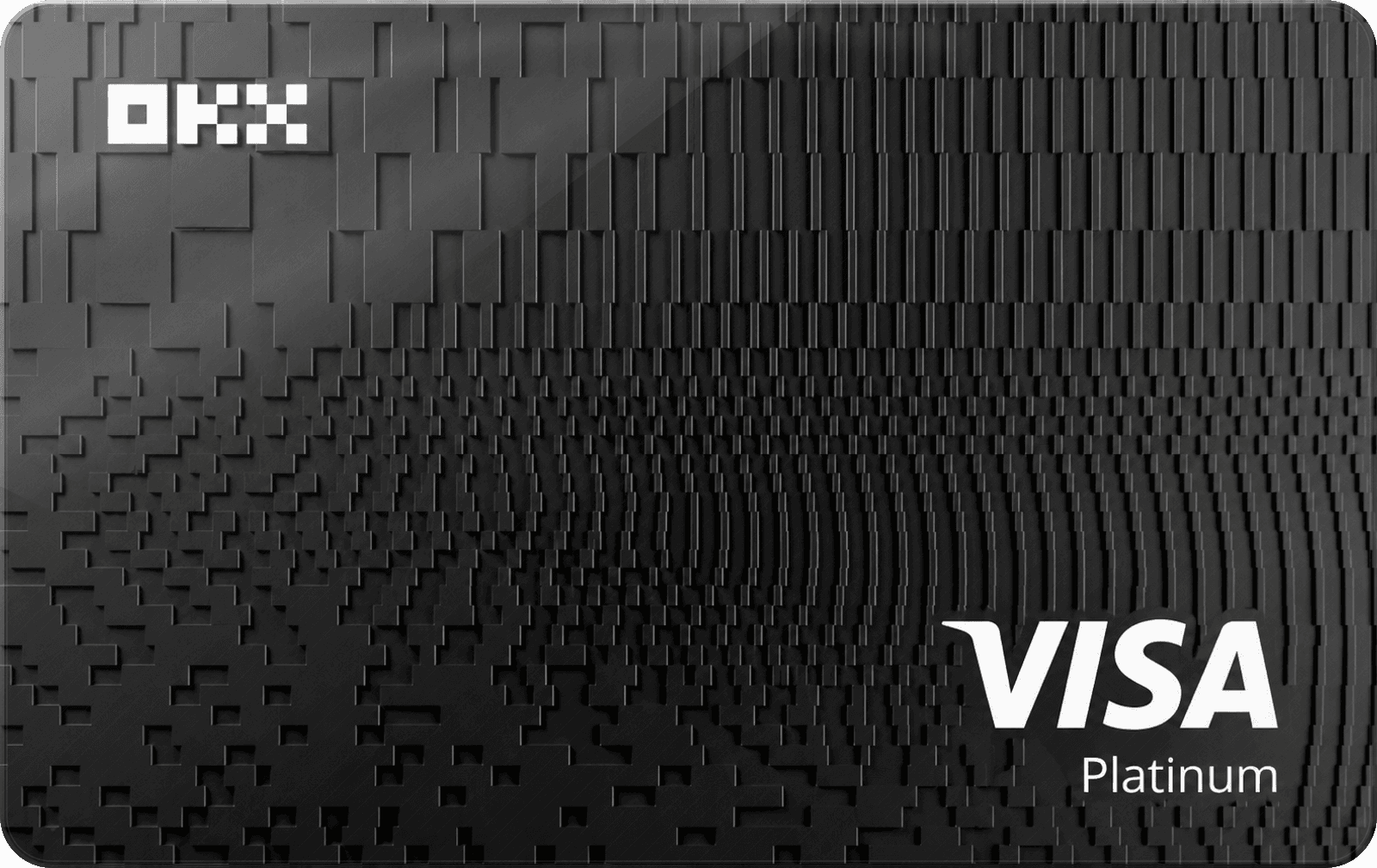 OKX CardChecked Aug 6, 2026
- HoldHybrid OKX Pay smart wallet
- MoveExchange-to-Pay and supported onchain funding
- SpendThe regional card draws from the Pay balance
- Keep activeGlobal USDG can earn while remaining spendable; EEA has no yield
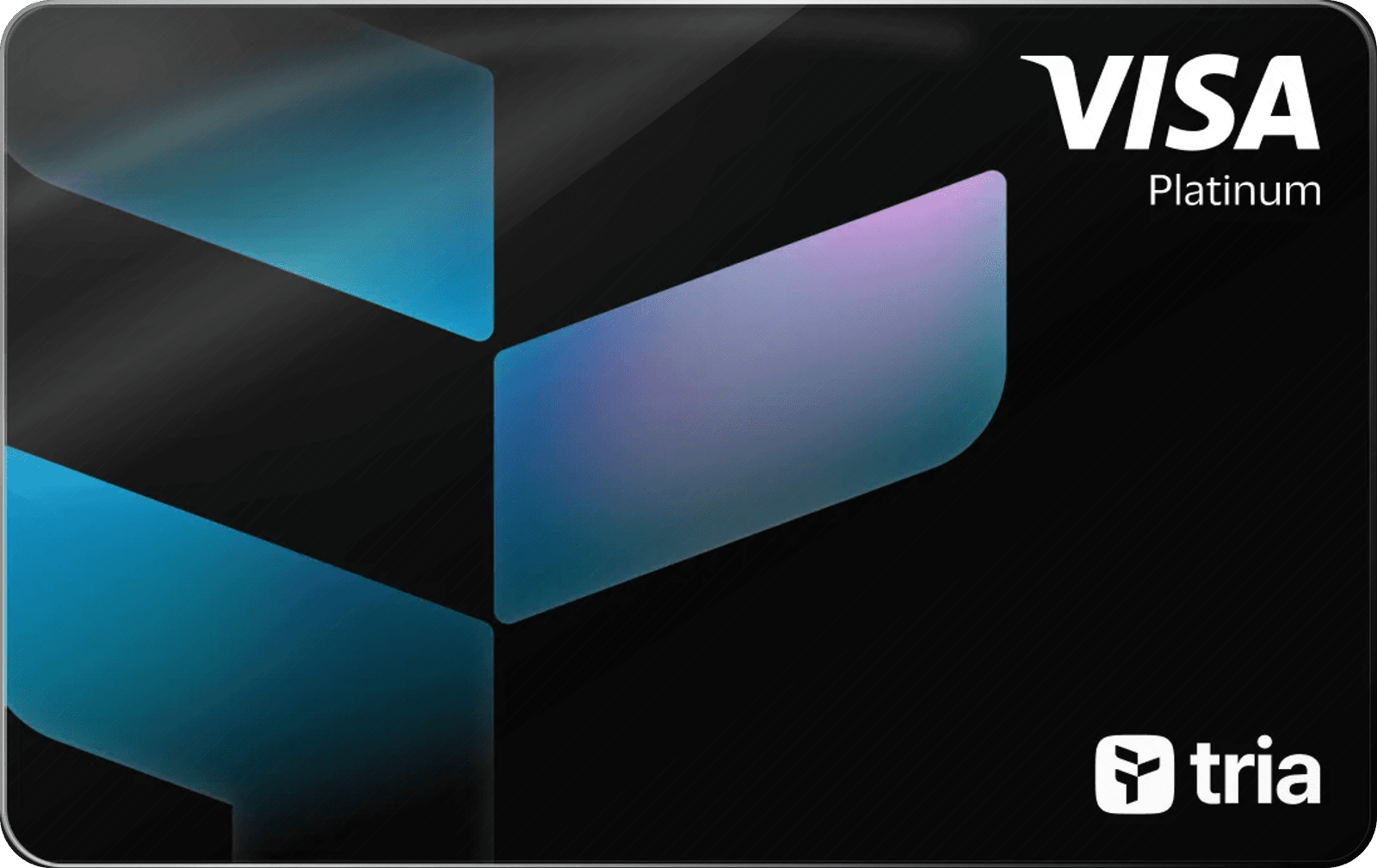 Tria CardChecked Aug 5, 2026
- HoldSelf-custody wallet and secured card account
- MoveBestPath coordinates supported wallet and card routes
- SpendA quoted top-up prepares the Visa card balance
- Keep activeEarn vaults keep separate timing and risk
Each product name opens its current analysis and official-source reading file. Terms can change; the provider's current app and agreements remain the operative source for access and service.
READING THE ROUTE
Five questions hidden by the card face.
The payment becomes easier to understand once its balance, rules and exits are visible.
Why read a card payment backwards?
The tap shows only the final authorization. Reading backwards reveals which balance paid, what prepared it and who controlled the money beforehand.
Which balance actually responds at checkout?
That depends on the product: it may be an account balance, a wallet permission, a prefunded spending pocket or credit created against collateral.
Why do the routes out matter as much as funding?
Exits show whether value can return to a wallet, another person or a bank destination, and what limits or operators shape that journey.
Does a card-network logo reveal who controls the money?
No. It identifies part of the payment edge, not the custody model or the balance that sits behind authorization.
Where can conversion happen in the route?
Depending on the product, conversion may happen before funding, during a top-up or around authorization. The exact route matters more than the card face.