Spend
Direct Pay draws from eligible stablecoin balances, using USDC first and LiquidUSD second.
July 28, 2026
MONEY, REMADE / Product analysis / When a vault reaches the checkout
ether.fi Cash carries the language of liquid restaking, automated vaults and onchain collateral into an account designed for ordinary purchases. LiquidUSD makes the connection unusually direct: it can remain productive and still reach the card.
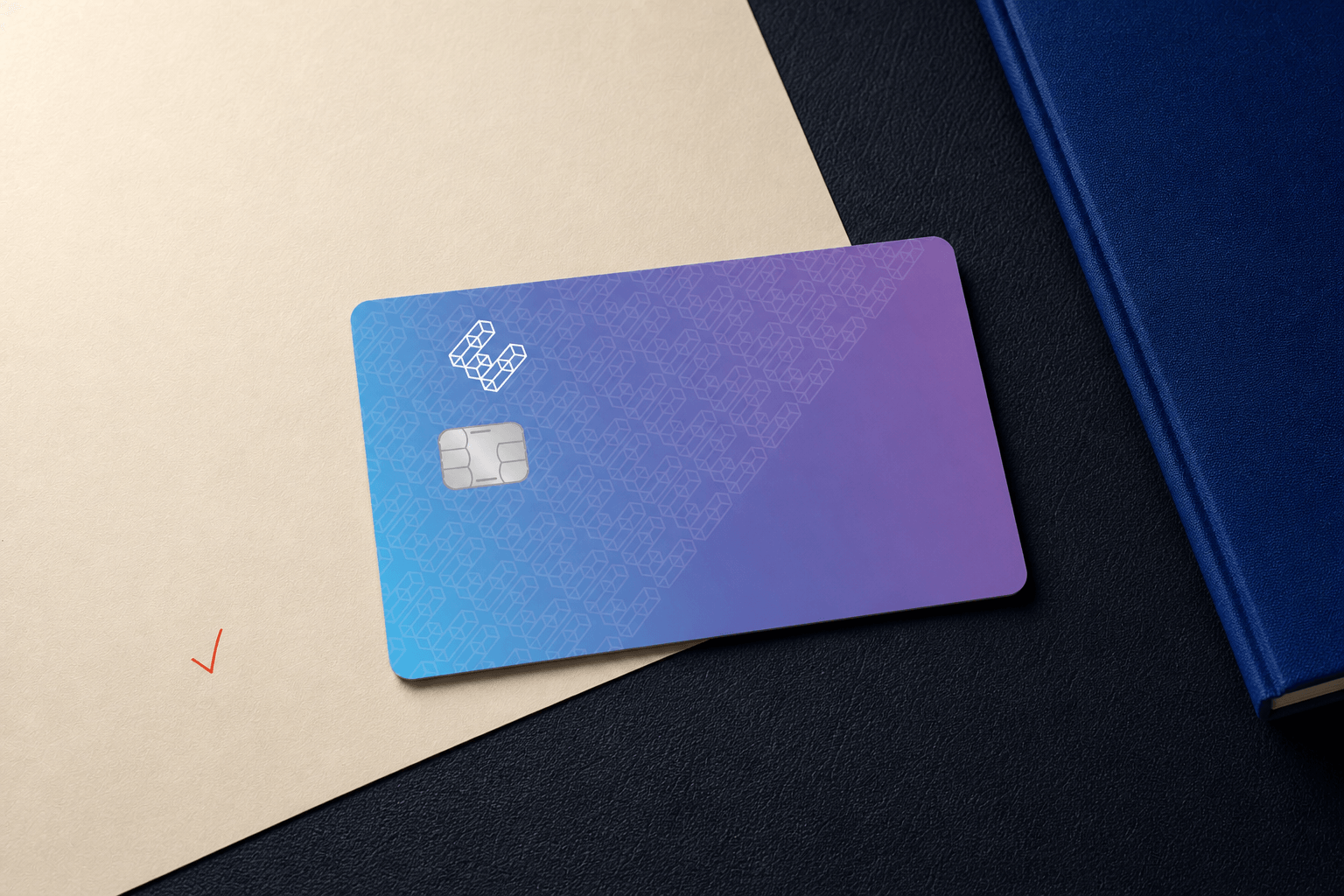
PRODUCTether.fi Cash Card
MONEY, REMADE / EDITORIAL VIEW
ether.fi entered consumer finance with a substantial protocol already behind it. At the end of July 2026, DeFiLlama tracked roughly $3.5 billion across the combined ether.fi protocol, with most of that value on Ethereum. Cash grows from a product family already shaped by liquid restaking, vault construction and onchain risk.
Stake, Liquid and Cash now form parallel parts of that family. The card brings their financial vocabulary into daily life: a Vault holds eligible assets, automated strategies seek variable returns, Direct Pay settles from supported dollar balances and Borrow Mode turns collateral into purchasing power.
The result feels coherent because the roles remain visible. USDC and LiquidUSD can fund a purchase directly. ETH, BTC and other supported positions follow their own strategy or collateral rules. A card authorization never turns those different relationships into one vague balance.
For an onchain user, vaults and collateral already make sense. Visa acceptance, physical and virtual cards, Apple Pay, Google Pay and bank transfers make the same account legible at the checkout. The technical system reaches a familiar endpoint without losing its original character.
01 / The product idea
Capital no longer has to choose between being productive and being ready for Tuesday.
LiquidUSD supplies the clearest example: one eligible vault position can earn a variable return and remain available to Direct Pay.
02 / A protocol enters consumer finance
Cash extends a mature onchain product language into the routines of an account, a wallet and a payment card.
ether.fi became known through Ethereum liquid restaking. Its next consumer layer arrives with that history intact. The same organisation that learned to coordinate validators, liquid positions and DeFi strategies now applies those instincts to an account people can use beyond a protocol interface.
That lineage changes the starting point. The account is organised around assets with different financial lives: stablecoins ready for settlement, yield vaults pursuing distinct strategies and collateral whose value can support credit. The Visa card appears at the edge of this system, carrying a selected route into ordinary commerce.
A conventional card product might add a crypto funding option as an extra rail. ether.fi Cash begins deeper inside the portfolio. Its most interesting work happens before the payment network sees a transaction.
03 / Four roles, one account
A person can decide what should remain liquid, what should seek yield and what may support borrowing before the card enters the story.
Direct Pay draws from eligible stablecoin balances, using USDC first and LiquidUSD second.
Liquid vaults automate separate USD, ETH, BTC and reserve strategies with variable returns.
Supported portfolio assets can provide collateral for card spending while the underlying position stays in the Vault.
04 / The strategy shelf
Liquid USD, ETH Yield, BTC Yield and Liquid Reserve follow different strategies. Their documented rates are variable, and each position keeps its own mechanics and risks.
Market-neutral stablecoin vault using Veda infrastructure and Seven Seas strategy across whitelisted DeFi protocols
Automated ETH DeFi strategy vault allocating eETH/weETH/WETH across integrated DeFi positions
Diversified BTC yield vault using Veda infrastructure, borrow/lending rate arbitrage, liquidity deals and token incentives
Midas-powered stablecoin vault deploying deposited assets into Morpho
05 / The LiquidUSD hinge
The shortest route between a DeFi strategy and the checkout belongs to LiquidUSD.
In Direct Pay, a purchase draws from USDC first and LiquidUSD next. The card can therefore reach a supported yield-bearing dollar balance without creating a loan or asking the user to unwind the position manually before every transaction.
The other Liquid strategies occupy different lanes. ETH Yield, BTC Yield and Liquid Reserve do not act as Direct Pay balances. Eligible holdings may still matter to the card through Borrow Mode, where they become collateral and introduce interest, loan-to-value rules and liquidation thresholds.
This distinction gives the product its clarity. Productive money reaches the checkout, but every asset keeps the financial role assigned to it.
06 / Money in motion
Crypto deposits, bank transfers, Direct Pay and collateral-backed spending each follow their own timing, asset and cost conditions.
Deposited into the ether.fi Cash Vault on Optimism; eligible stablecoin balances can support Direct Pay or Borrow Mode collateral · Deposited into the ether.fi Cash Vault as an asset or collateral balance; it is not automatically converted to USD · Supported asset and network combinations
Minimum USD 2. Requires a U.S. bank account and third-party provider approval; SWIFT to ACH/FedWire details is rejected.
Minimum EUR 2. Own bank account only; country and provider checks apply. · Under 15 minutes; over EUR 100k can take 1-2 days
Captured collateral sources show Optimism asset contracts. Treat as vault/collateral transfer context until the current app send screen confirms outbound coverage. · Timing follows Optimism confirmation. · Supported vault/collateral assets on captured Optimism sources · Limits shown in app before confirmation
SEPA payout is separate from SEPA receive; own-account, country and provider checks apply. · Minimum EUR 2; 2 transfers per 24h
ACH/FedWire withdrawals require a U.S. bank account and third-party provider approval; SWIFT sent to ACH/FedWire account details is rejected. · Minimum USD 2; 2 transfers per 24h; monthly limits vary by membership tier
07 / Borrow Mode
Borrow Mode preserves an eligible position while creating a live debt against it.
A purchase in Borrow Mode creates borrowing against assets held in the Vault. The documented rate is 4% APY, accruing immediately without a grace period or monthly billing cycle. Repayment can happen at any time.
The useful mental model is continuous, not monthly. Interest grows while the balance remains open, and the health of the position depends on the value and loan-to-value rules of its collateral. Falling collateral can bring the account closer to liquidation.
ether.fi exposes those mechanics through asset-specific thresholds and position-health controls. They belong in the spending decision because the credit line lives onchain even when the purchase feels as ordinary as a tap.
08 / Cashback and membership
Core earns 3% in USDC on the first $2,000 of qualifying monthly spend. Luxe and Pinnacle keep the same headline rate while widening its full-rate range through membership qualification.
Free
3% cashbackFree
3% cashbackFree
3% cashbackFree
3% cashback09 / Product anatomy
The Vault, account platform, issuer and Visa network meet inside one experience. The product remains non-custodial before payment, while regulated providers carry the card transaction.
Provides the ether.fi platform and access to Cash; it does not act as the card issuer.
Issues the ether.fi Card under a Visa licence and handles card issuer responsibilities.
ELIGIBLE ASSET / NETWORK PAIRS
10 / A shared financial language
The product asks neither audience to abandon the tools it already understands.
Vaults, variable yield and collateral give a web3-native user a recognisable model for keeping assets active. The surrounding account adds the touchpoints associated with a modern neobank: card controls, mobile wallets, bank-transfer routes and a physical payment object.
This combination explains the wider appeal more convincingly than a claim about who the card belongs to. Its financial engine is unmistakably onchain; its everyday gestures are already familiar to anyone who has used a contemporary card account.
11 / Real economics
Vault APY describes a variable strategy. Cashback follows qualifying card spend. Borrow Mode adds an interest-bearing debt. Fees for the card, foreign exchange and cash access sit alongside those three layers.
Core: $50 including card and shipping; Luxe, Pinnacle and VIP include at least one free physical card
2%
12 / Access and onboarding
The current documentation names excluded markets, while identity, residence and the live card programme determine the final application result.
24 markets are explicitly excluded in the current documentation; open the list below.
Core: $50 including card and shipping; Luxe, Pinnacle and VIP include at least one free physical card
The application checks identity, residence and the current card programme together. Its live result is the relevant answer for each applicant.
13 / Closing note
ether.fi Cash gives capital several ways to participate in daily life. LiquidUSD can earn and remain ready for Direct Pay; other strategies keep working on their own terms; eligible assets can support borrowing; the Visa card carries the chosen route to the merchant. The achievement lies in making those roles useful together while keeping their financial meaning intact.
14 / Sources
These pages cover ether.fi's protocol scale, Liquid strategies, card modes, rewards, fees and account architecture.
Questions / Vaults at checkout
Direct spending, productive balances and collateral-backed liquidity follow different rules.
Direct Pay settles from supported dollar balances. Borrow Mode creates card liquidity against eligible collateral and brings borrowing cost and liquidation risk into the purchase route.
LiquidUSD is the direct connection described here: it can follow its variable-return strategy while remaining eligible for Direct Pay. That relationship does not extend automatically to every vault.
Each eligible asset keeps its own strategy, transfer and collateral rules, and only supported routes reach card settlement.
Direct Pay draws from supported USDC before LiquidUSD. The other Liquid strategies do not automatically become Direct Pay balances.
They remain separate: vault return follows a variable strategy, cashback follows qualifying card spend, and Borrow Mode creates interest-bearing debt with collateral risk.